

Understanding the House Edge
The house edge is a fundamental concept in the world of gambling, representing the percentage advantage that a casino holds over players. This mathematical advantage is inherent in the design of casino games, ensuring that, over time, the casino will always profit. For example, in table games like blackjack or roulette, the odds are meticulously structured to favor the house, allowing it to retain a specific percentage of all bets placed. Players who want to explore options like payid casinos australia should also understand the house edge, as it determines the likelihood of winning and influences strategies that can be employed during gameplay.
Different casino games have varying house edges, which can significantly affect a player’s chances of success. Slot machines, for instance, typically have a higher house edge compared to table games. While a slot machine might offer a house edge of 5% or more, classic games like blackjack can have much lower edges, sometimes as low as 1%. This difference highlights the importance of selecting games wisely. Players who are aware of the house edge can make informed decisions about where to wager their money, potentially enhancing their overall gaming experience.
Moreover, the house edge is not fixed; it can fluctuate based on various factors, including the rules of the specific game and the skill level of the player. For instance, an experienced blackjack player utilizing optimal strategies may manage to decrease the house edge even further through techniques such as card counting. However, it’s important to remember that while skill can make a difference, the house edge guarantees that the casino remains financially resilient over the long haul, making it challenging for players to consistently overcome this advantage.
Strategies to Minimize the House Edge
While completely overcoming the house edge may be unrealistic, players can adopt certain strategies to reduce its impact and improve their odds of winning. One effective method is to select games that feature a lower house edge. For example, players should familiarize themselves with the odds and payout structures of various games to find those that offer the best potential returns. Choosing European roulette over American roulette can be a game-changer, as the former boasts a house edge of 2.7%, whereas the latter has an edge of 5.26%, making the former a more favorable option for players.
In addition to selecting games wisely, understanding the mechanics of the games being played can help players make more informed decisions. In blackjack, for instance, mastering basic strategy can have a significant impact on minimizing the house edge. Basic strategy charts guide players on the most statistically favorable moves based on their hand and the dealer’s upcard, reinforcing the notion that educated decisions can lead to better outcomes. Investing time in learning and practicing these strategies can yield substantial benefits for players in the long run.
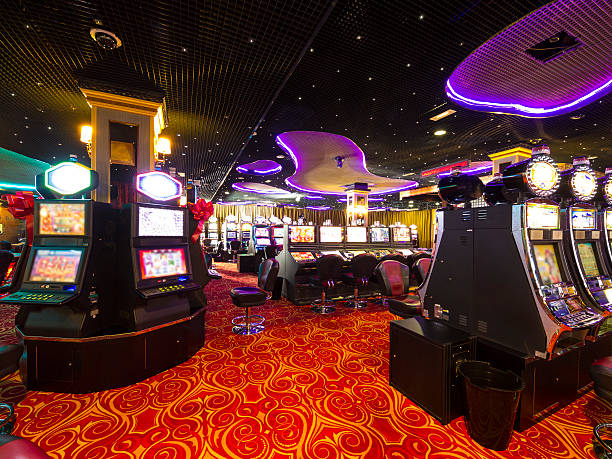
Another crucial aspect of minimizing the house edge is effective bankroll management. Players should establish clear spending limits for their gaming sessions to avoid the pitfalls of overspending and chasing losses. By adhering to a disciplined approach, gamblers can maintain a more positive mindset and prolong their playing time, which may improve their chances of experiencing winning streaks. These strategies highlight the importance of making calculated decisions in the face of established odds, ultimately contributing to a more enjoyable gaming experience.
The Role of Luck vs. Skill
The ongoing debate between luck and skill in gambling is a captivating topic among enthusiasts. Many games, particularly slot machines, rely heavily on chance, while others, such as poker, allow players to leverage their skills to influence the outcome. In poker, for instance, successful players often emerge victorious over time due to their ability to read opponents, manage their chips effectively, and make strategic betting decisions. This skill can mitigate the inherent house edge, resulting in a more favorable outcome for skilled players.
On the other hand, games like roulette are entirely reliant on luck, as players have no control over the outcome of the spin. The randomness of these games means that players can experience significant wins or losses without any skill involved. However, being aware of probabilities and making informed betting choices can still provide a slight edge, emphasizing that while skill can enhance performance, luck largely governs results in many gambling scenarios. This dynamic raises the question of how much control players truly have over their fate in the gaming world.
It’s crucial to recognize that even the most experienced players cannot consistently beat the house edge. Casinos have implemented various safeguards to ensure their long-term profitability, and players should set realistic expectations regarding their chances of winning. Understanding this balance fosters a healthier relationship with gambling, allowing players to appreciate the entertainment value of the games while being mindful of the risks involved. Striking this balance can lead to a more enjoyable experience, where players engage with the games for fun rather than as a primary source of income.
Player Psychology and Betting Behavior
The psychology of players significantly influences their gambling habits, impacting decision-making processes and perceptions of winning or losing. The thrill of potential rewards can often lead players to make riskier bets, disregarding the actual odds at play. This behavior is frequently attributed to cognitive biases, such as the gambler’s fallacy, where individuals mistakenly believe that past outcomes will affect future results. Recognizing these psychological factors is vital for developing a more rational approach to gambling and mitigating impulsive decisions.
The excitement of gambling can create a false sense of security, causing players to continue betting even when the odds are not in their favor. This emotional draw can lead to prolonged play and increased financial risk. By acknowledging the psychological aspects of gambling, players can establish clear limits and recognize when it’s time to step away. Developing a focused mindset before engaging in gambling ensures better self-control and a more enjoyable experience overall, enhancing the chances of making rational decisions during gameplay.
Furthermore, discussing gambling experiences with others can help demystify behaviors and promote healthier habits. Sharing insights about wins, losses, and strategies can provide valuable perspectives and reinforce the importance of responsible gaming. By engaging in open conversations about gambling psychology, players can work towards a more positive approach that acknowledges both the excitement and risks associated with the house edge. Fostering this dialogue can empower players to make informed decisions and enjoy gambling as a form of entertainment rather than a means of financial gain.
Finding Reliable Resources for Players
As players strive to deepen their understanding of gambling and develop strategies to minimize the house edge, access to reliable resources becomes paramount. Numerous websites offer insights into various games, strategies, and statistical analyses that can assist players in making informed decisions. Identifying credible sources of information is crucial, as it allows players to better comprehend the house edge and explore effective methods to mitigate it. Engaging with reputable online communities can also provide support and advice from experienced gamblers who are willing to share their own journeys.
Additionally, players should take advantage of the multitude of tools and strategies available online, including game simulations and educational tutorials. These resources can facilitate practice without financial risk, enabling players to gain a deeper understanding of game mechanics, betting strategies, and the significance of managing their bankrolls. Through these platforms, players can enhance their skills and confidence prior to entering a live gaming environment, setting themselves up for a more successful experience.
Ultimately, the journey through gambling should be viewed as a source of entertainment combined with an educational component. Taking the time to research and understand both the games and the principles surrounding the house edge can lead to a more informed and enjoyable experience. Players who prioritize learning and skill development will likely find themselves better equipped to navigate the complexities of gambling, all while remaining aware of the inherent risks involved. Embracing this approach can help ensure a balanced and fulfilling gaming experience.